About 70 percent of the Earth is covered by ocean, and all life evolved from the ocean. Had oceans not existed, terrestrial life—including humanity—would never have come into being on this planet. Oceans and the seas around them are the cradle of life, and even today they continue to nurture countless living beings.
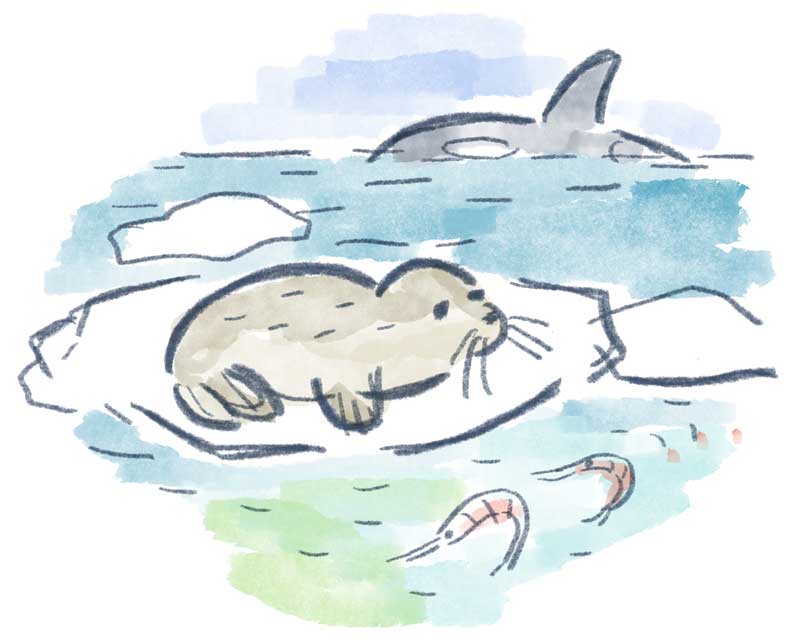
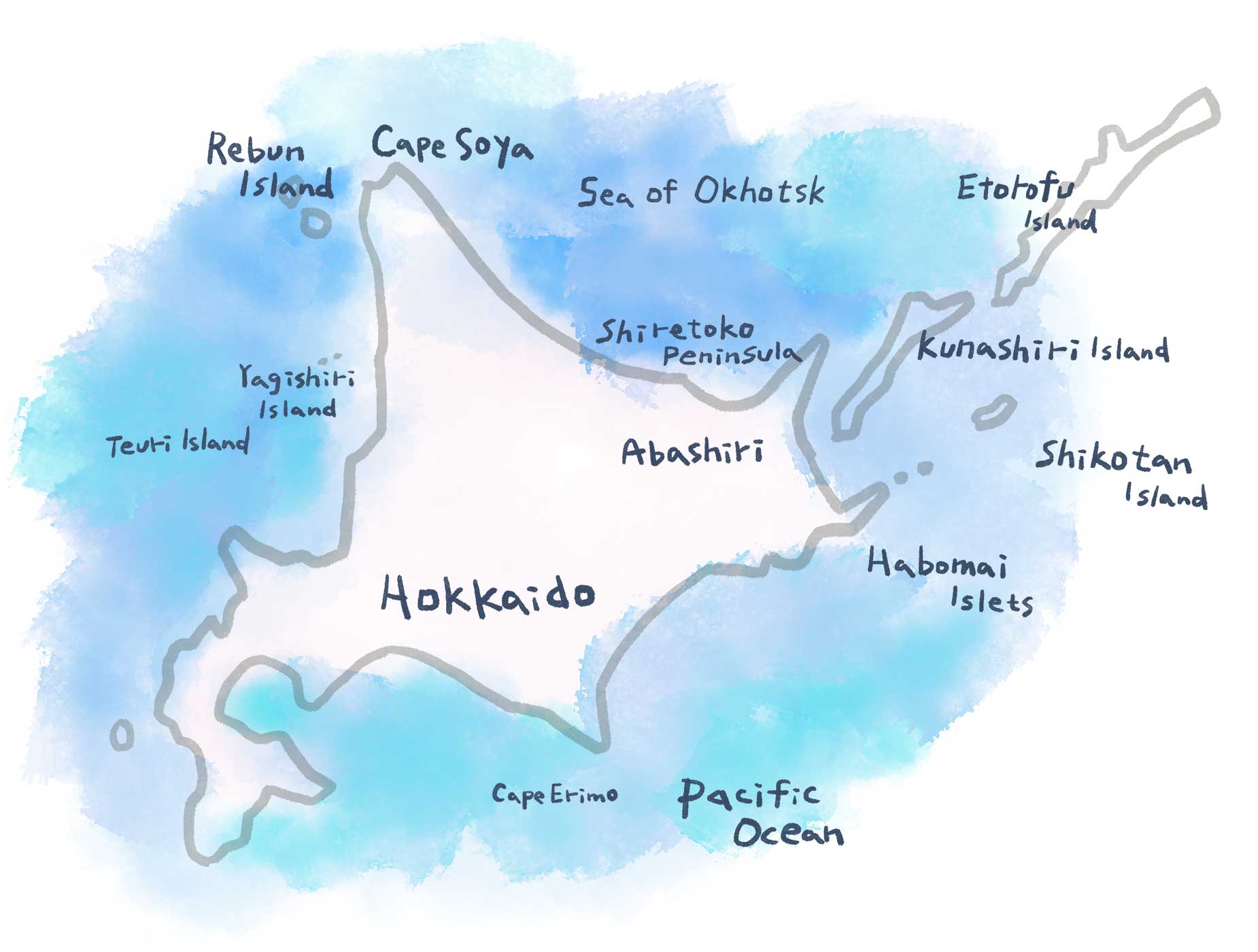
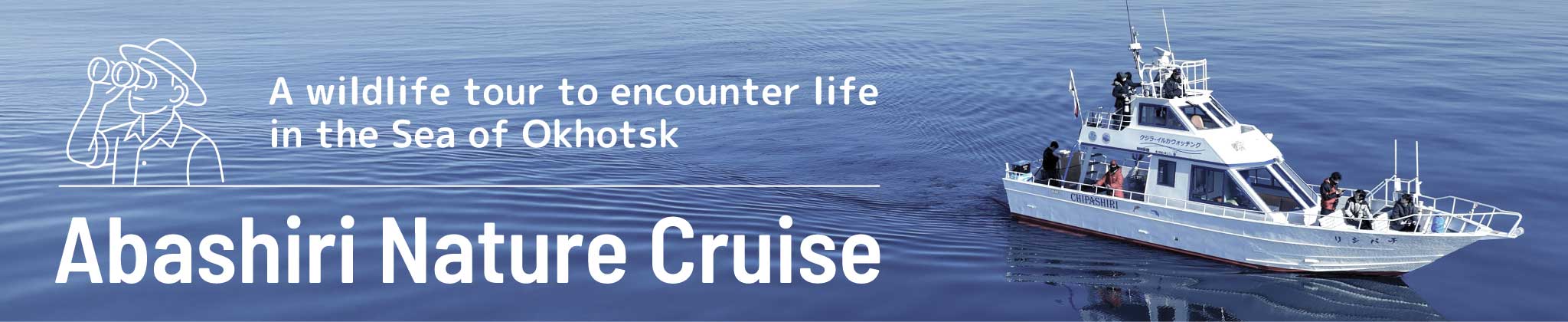
Among the world’s oceans, the ice-rimmed “northern seas” are known for their ice-edge ecosystems, which rank among the richest on Earth. The Okhotsk Sea is the lowest-latitude sea in the world to possess such an ice-edge ecosystem. While natural environments continue to be degraded by human activities, the seas surrounding the Northern Territories (Etorofu, Kunashiri, Shikotan, and the Habomai Islands) stretching along eastern Hokkaido have, through postwar conservation efforts, gradually restored their original ecosystems in which land and sea function as an integrated whole.
We regard this precious region as a model area for natural ecosystems and conduct research, surveys, and outreach activities focusing on the diverse organisms that inhabit it—particularly predators such as seabirds and marine mammals that stand at the top of the marine ecosystem. Gaining a deep understanding of how these animals live leads to a deeper appreciation of the ocean’s richness and the interconnectedness of life.
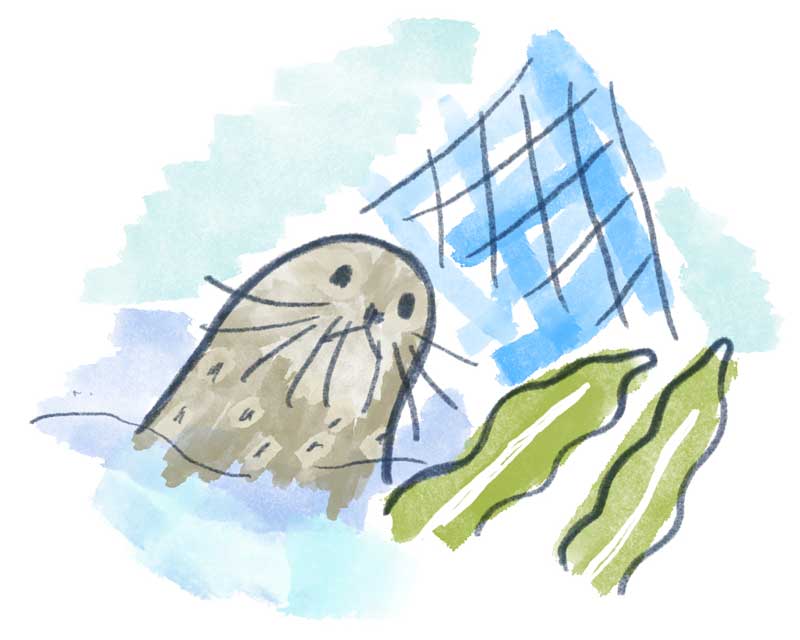
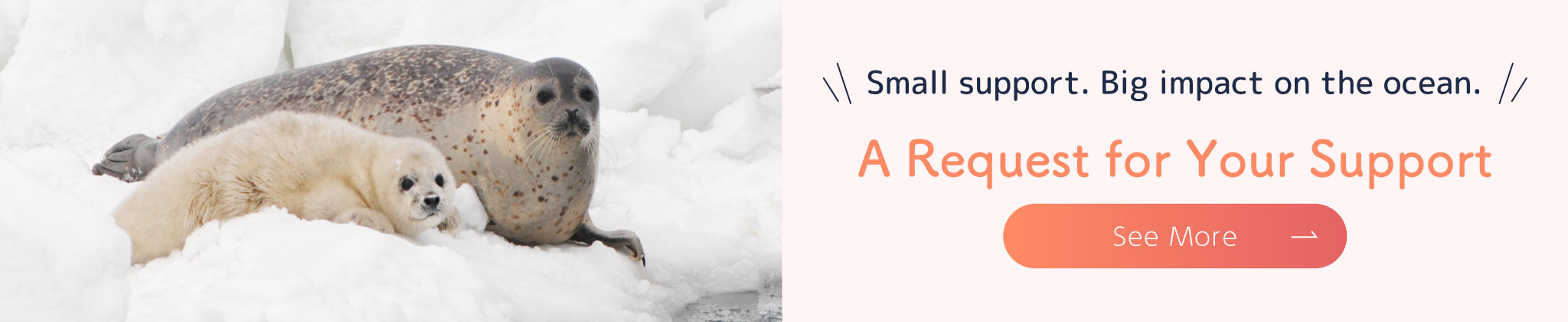
In particular, we focus our attention on seals. Rather than viewing seals only in terms of damage or conflict, we also consider the vital roles they play within ecosystems. By re-examining the overall ecosystem that seals inhabit, we seek harmony between human society and nature that would evolve to a sustainable form of coexistence in which people and wildlife can continue to live together without undue conflicts.
By steadily accumulating these research activities over long periods of time, we scientifically clarify how environmental changes—such as global warming—affect the ocean and its living organisms. At the same time, we strive to convey the ocean’s indispensible value to a wide audience, to create opportunities for people to turn their eyes back to the sea.