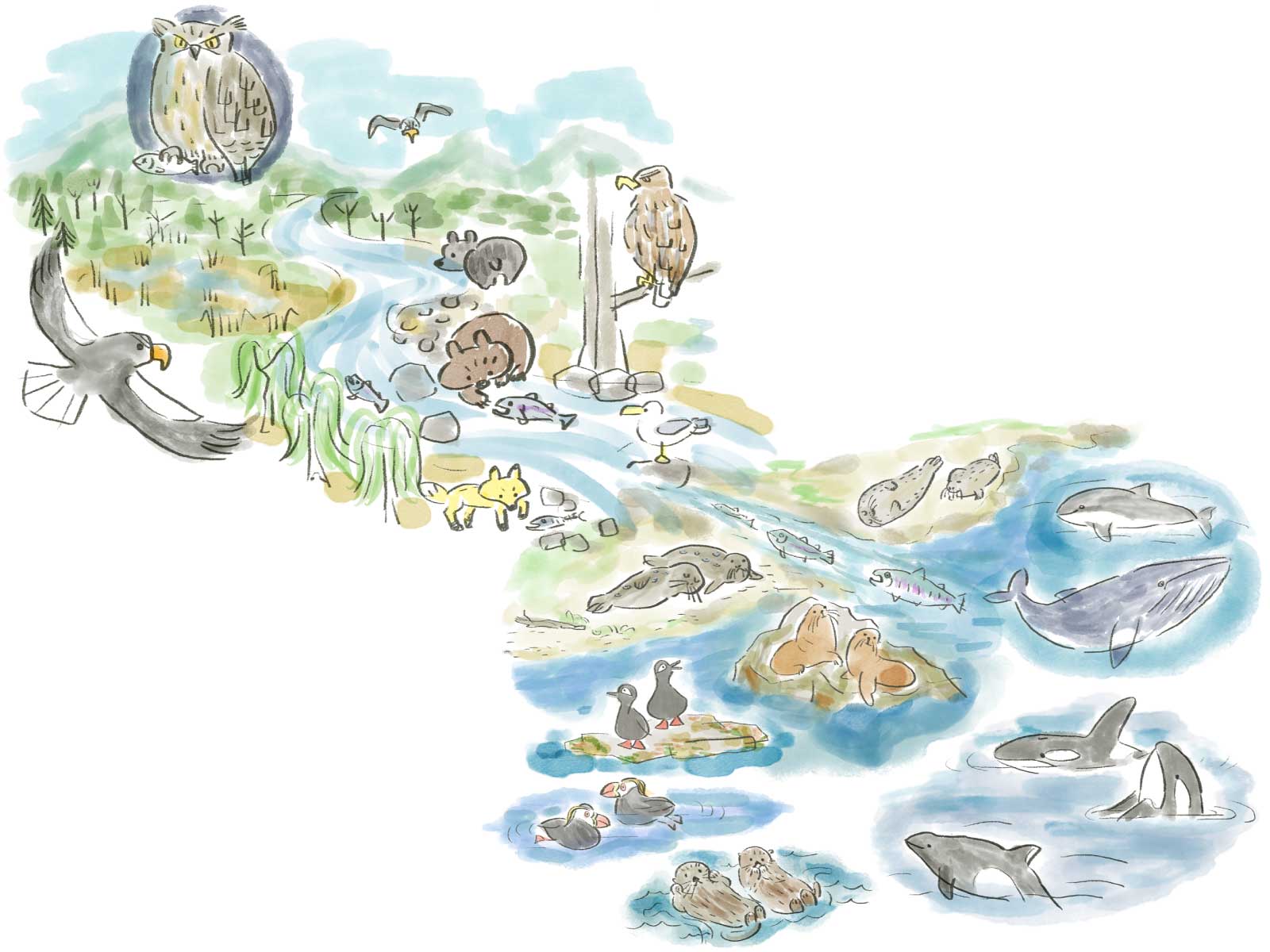
Ecosystems That Connect Sea and Land

The Northern Territories (Etorofu, Kunashiri, Shikotan, and the Habumai islands) have been under the effective control of the Soviet Union (now Russia) since the postwar period. As a result, approximately 70% of the land area and nearly 60% of the coastal waters have been protected in one form or another from human development. Through this long-term protection, natural environments that have been lost in many other regions have been preserved here over time.

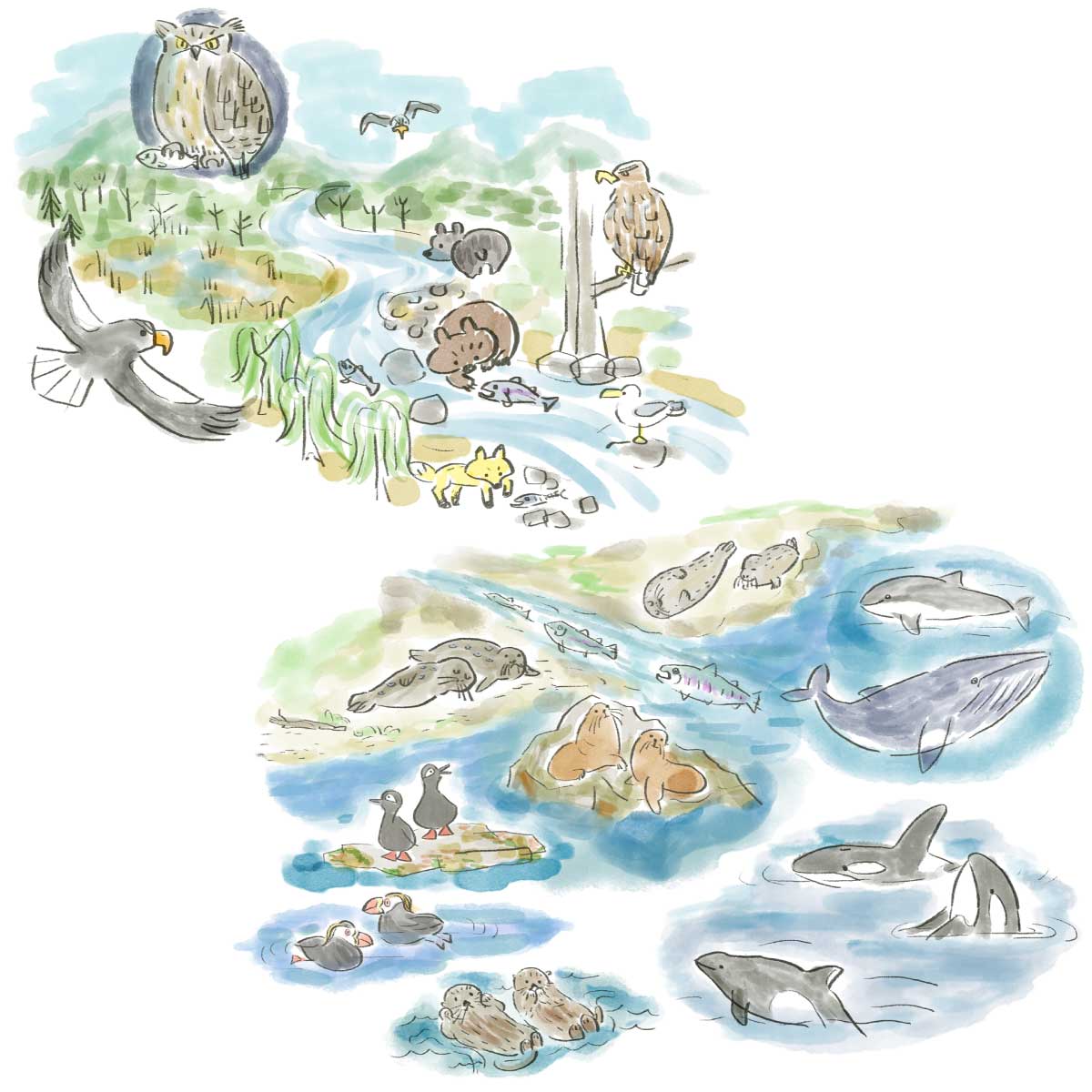
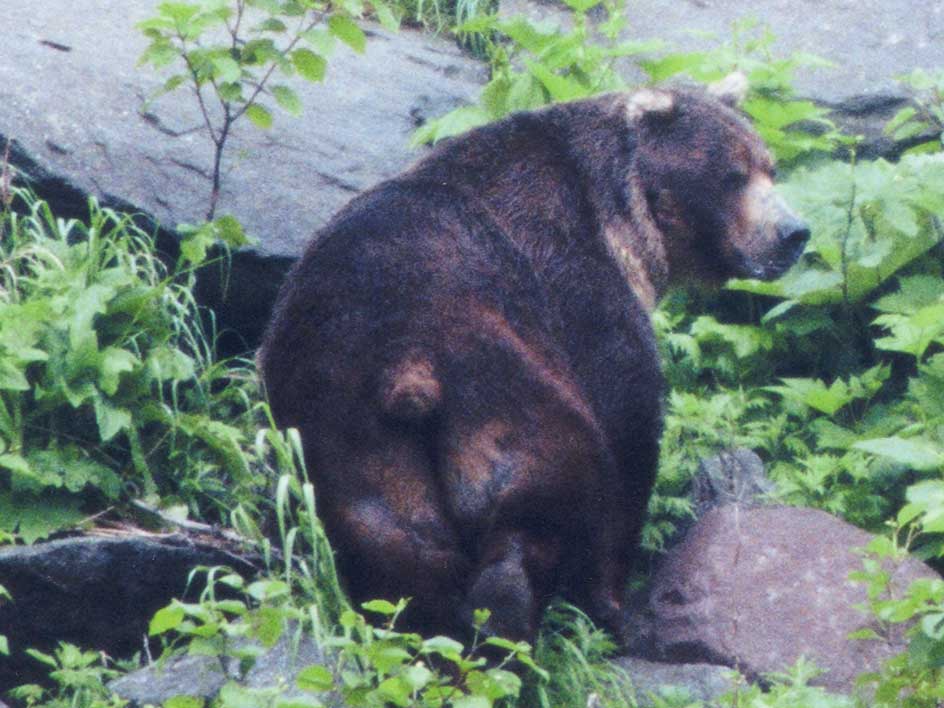
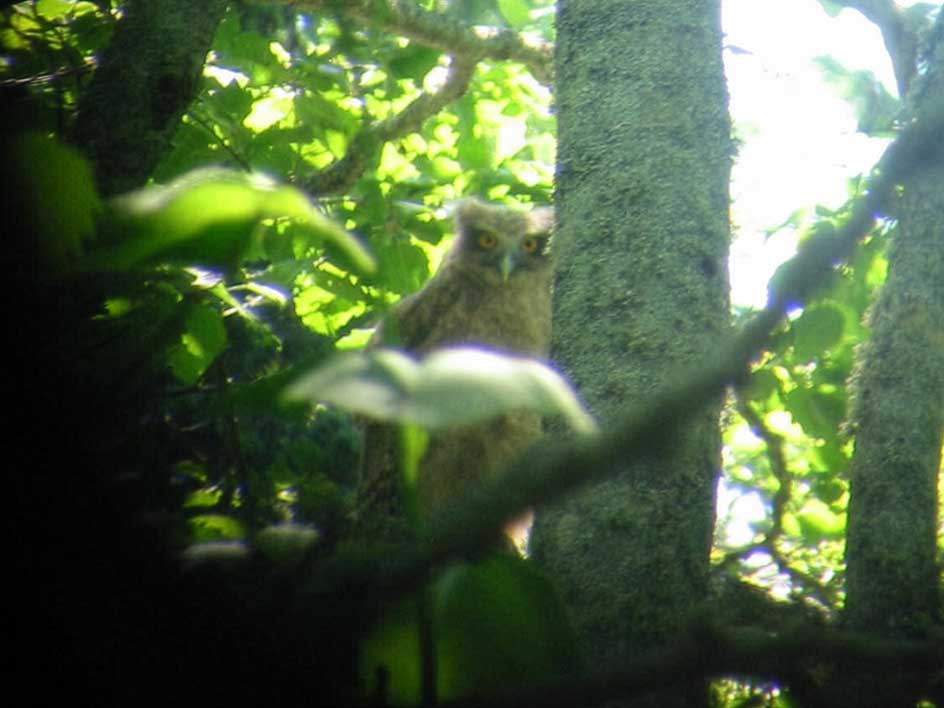
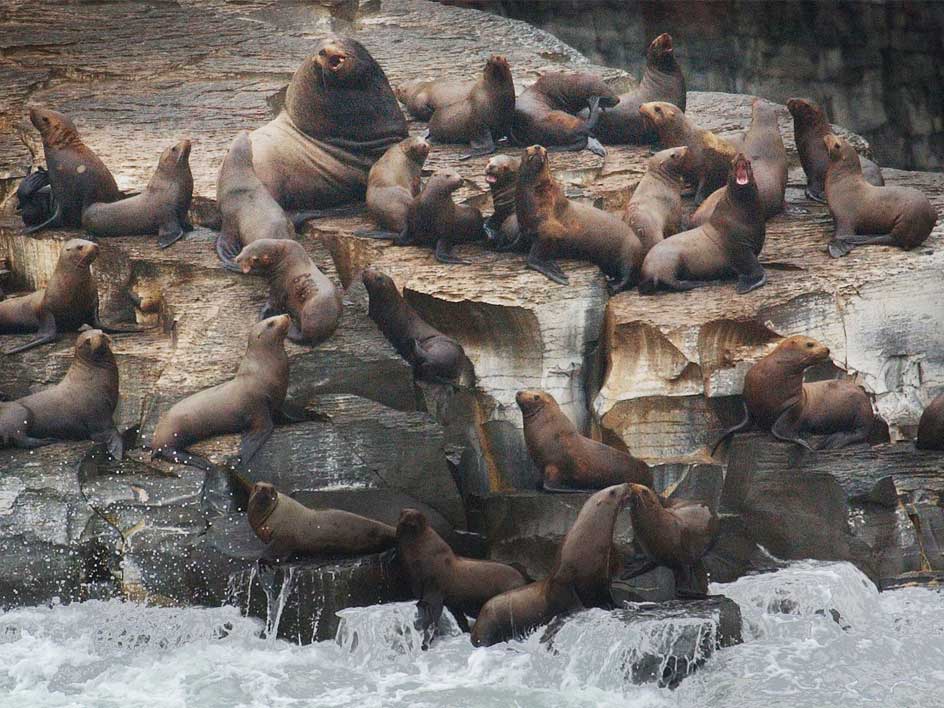
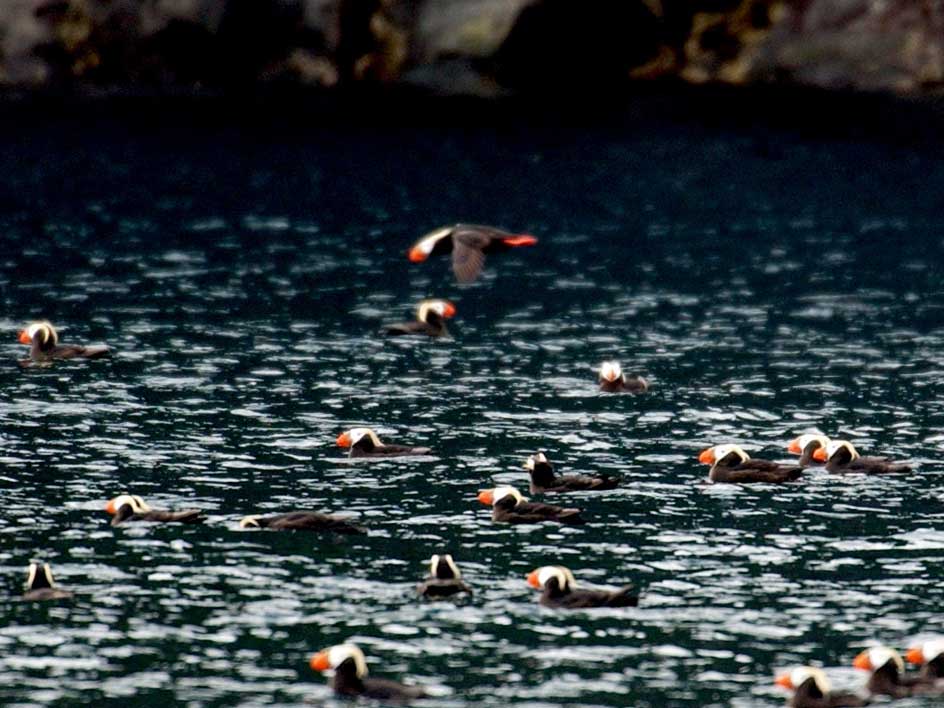
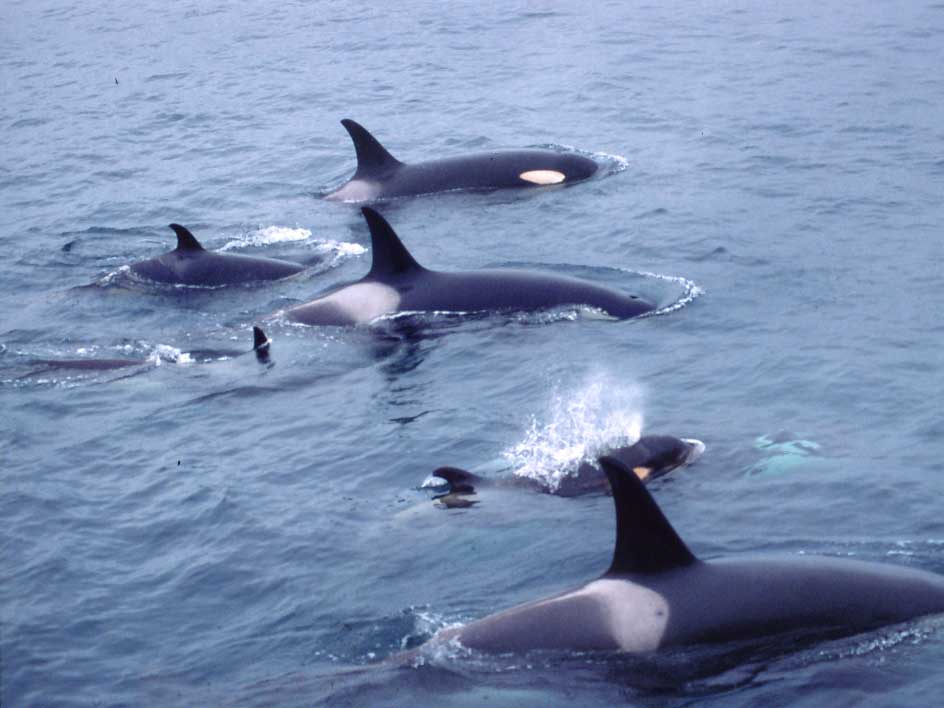
Thanks to these conservation efforts, pristine animal communities have been remarkably restored in the Northern Territories over more than half a century. Ecosystems in which land and sea are continuously connected have been maintained, allowing diverse organisms to live in their original forms. The exceptionally high level of biodiversity in this region is internationally recognized, making the Northern Territories one of the most valuable natural areas on Earth.

This region can truly be described as a “living archive of nature,” offering rare insight into how ecosystems are nurtured and sustained in environments relatively free from human influence.

Learn Interactions Between Sea and Land

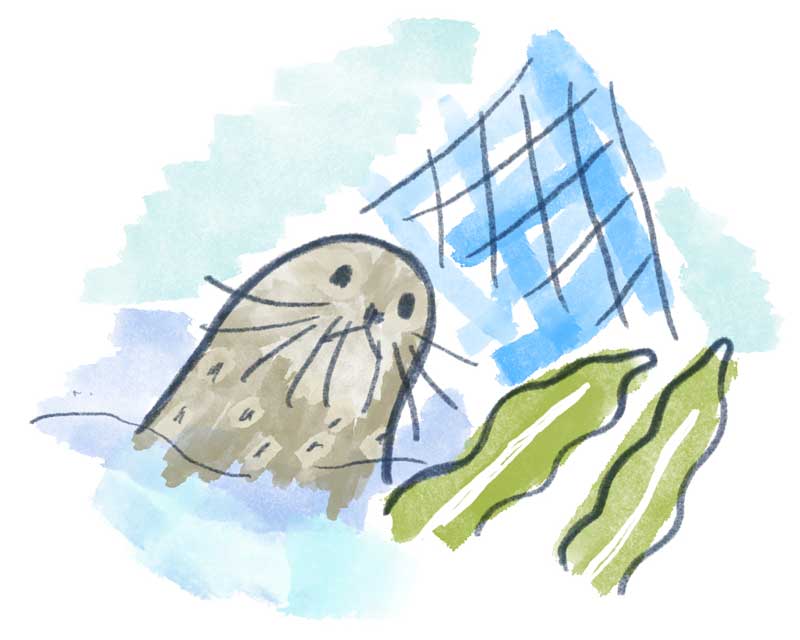
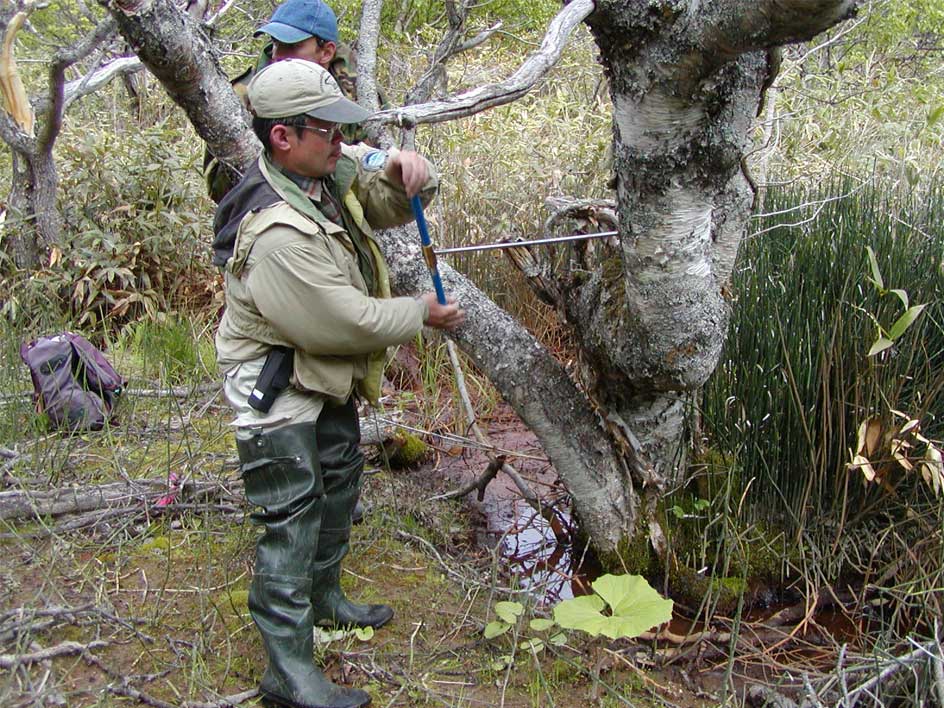
Under the framework of visa-free expert exchange programs, we have continued surveys of natural ecosystems in this region. Through these efforts, we have demonstrated that the Northern Territories and surrounding waters—located at the world’s southernmost limit of drift ice—have maintained extremely high biological productivity and biodiversity. At the same time, ongoing industrial development and the impacts of global warming raise concerns about how this precious natural environment may change in the future. To ensure that we stay abreast of such changes, we continue long-term monitoring from a broad, long-term perspective.

Share When the Sea Is Rich, the Land Is Also Rich
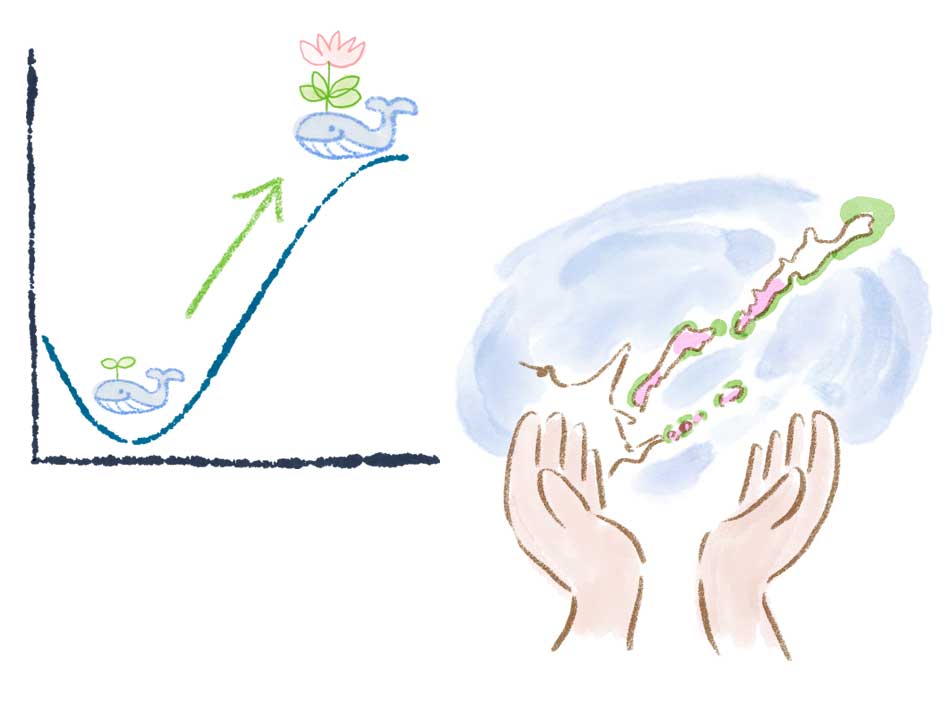
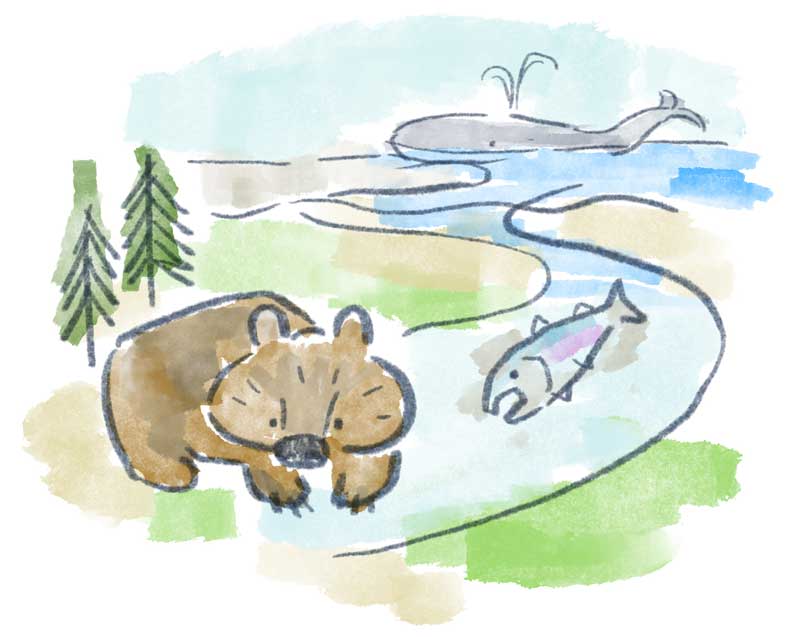
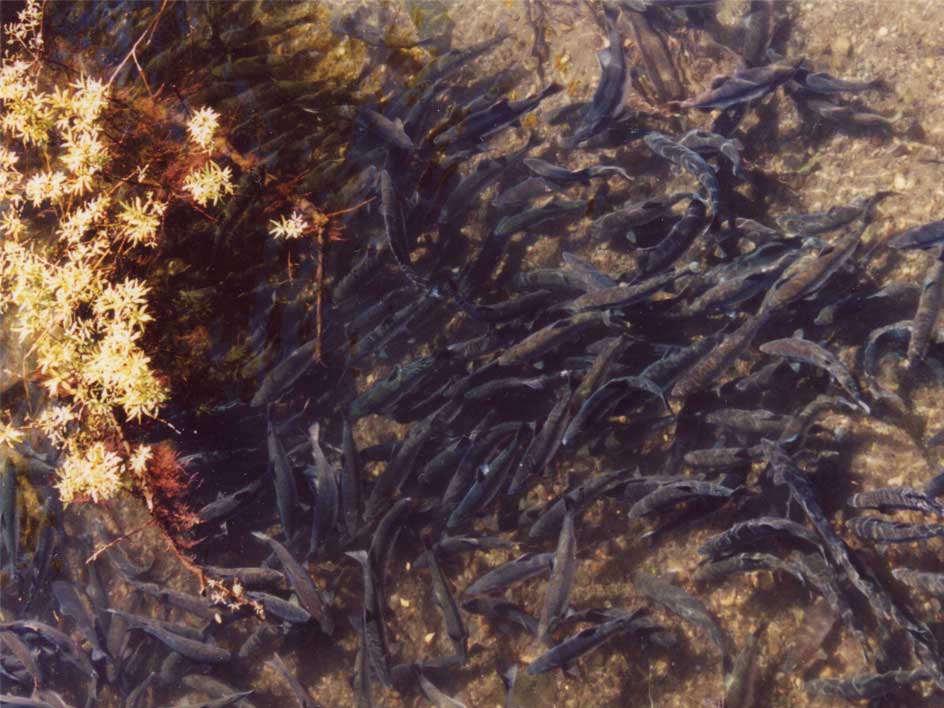
By studying organisms that link the sea and the land, we have academically demonstrated that a rich ocean leads to a rich terrestrial environment as well. Data and footage accumulated through our research indicate that this interaction is supported by exceptionally high productivity and biodiversity generated by the Okhotsk Sea’s position at the world’s southernmost drift-ice boundary. Furthermore, this richness is thought to have been sustained by the accumulation of policies that have protected not only terrestrial areas but coastal marine waters as well.

Our Publications in Japanese only

  • 北方四島―北の海の生きものたち
    北の海の動物センター発行 2003
  • カラー版 知床・北方四島―流氷が育む自然遺産 (岩波新書)
    大泰司 紀之 (著), 本間 浩昭 (著) 2008
  • オホーツクの生態系とその保全
    桜井泰憲, 大島慶一郎他 2013

Act Toward Marine-Inclusive Protected Areas
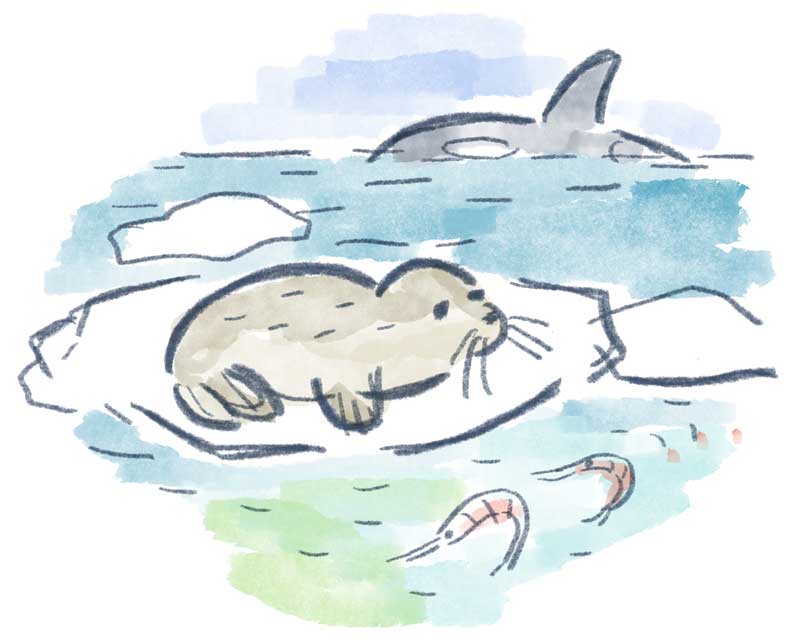
Based on the example of the Northern Territories—where ecosystems connecting sea and land have been successfully restored through the establishment of protected areas that include marine environments—we propose new approaches to protected area design. Building on these findings, we aim to present a comprehensive concept for conservation that encompasses both sea and land, and contributes to discussions toward achieving sustainable nature conservation.