Ecosystem Management Between Seals and Humans

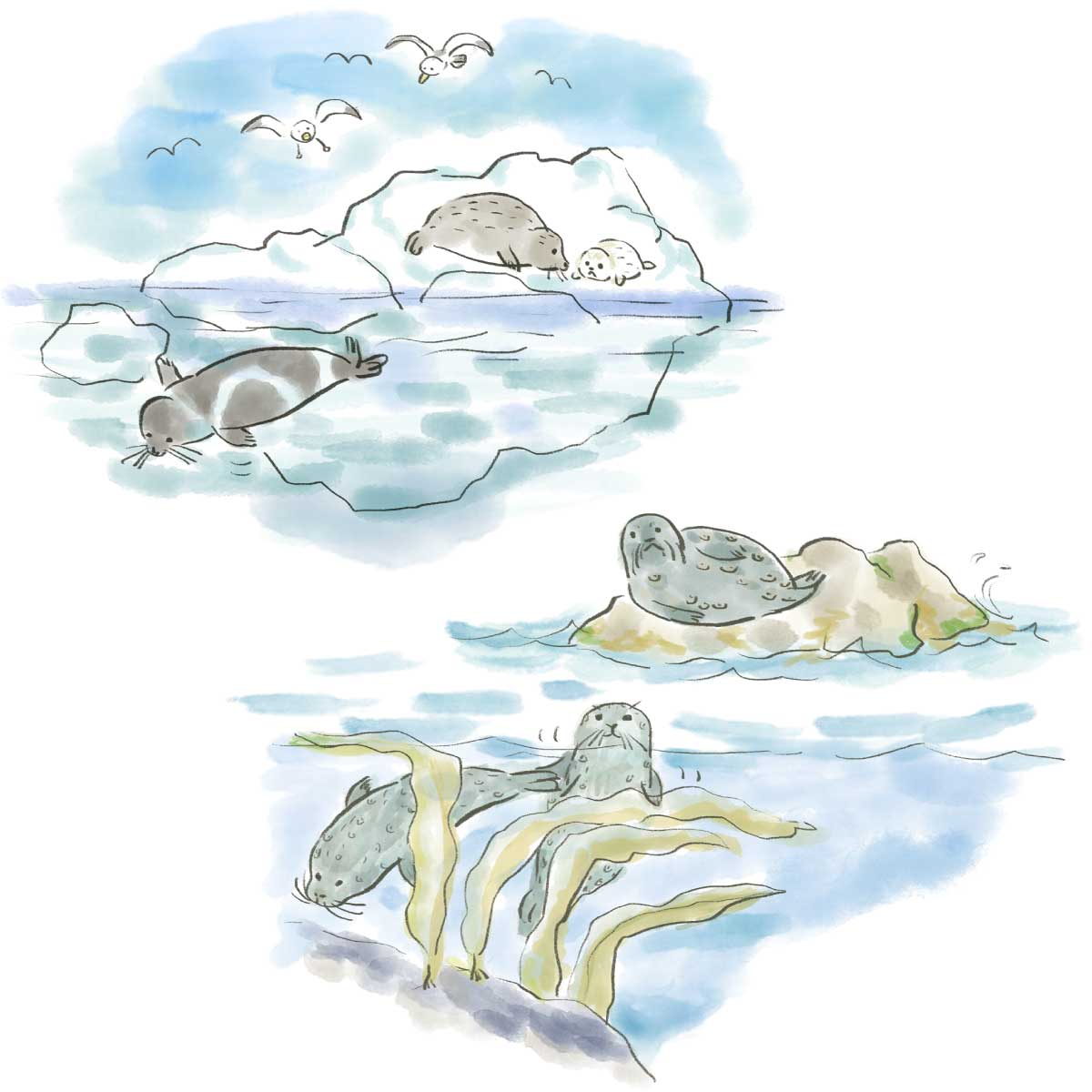
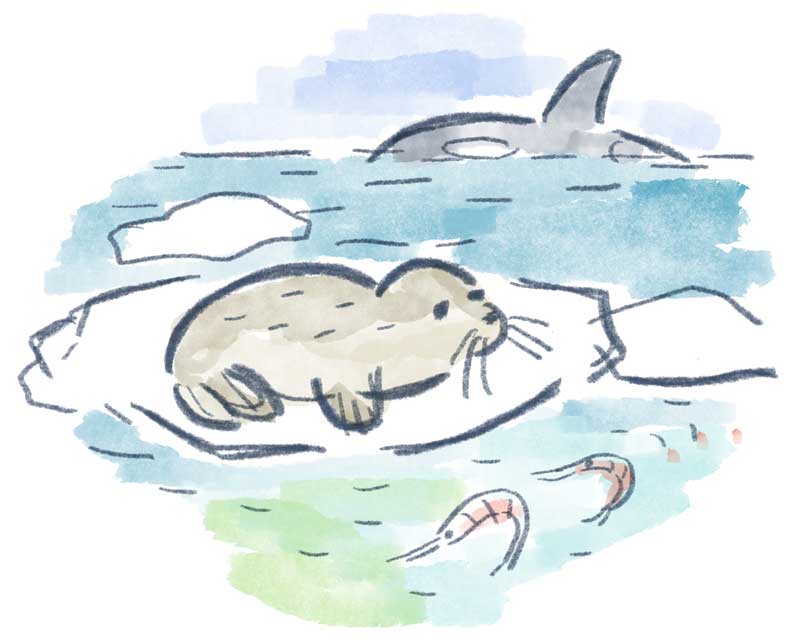
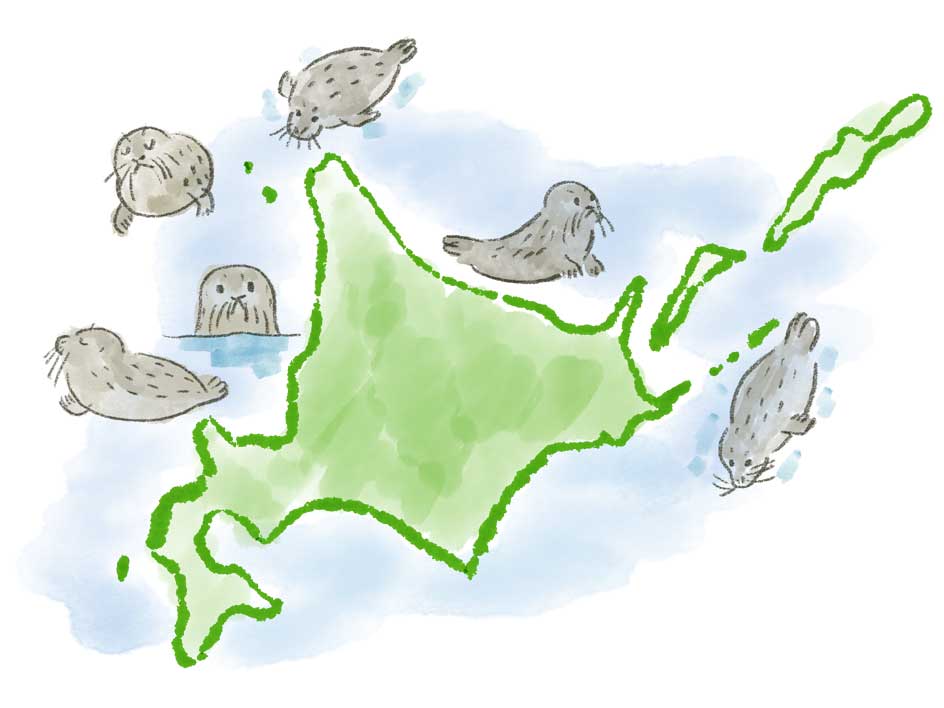
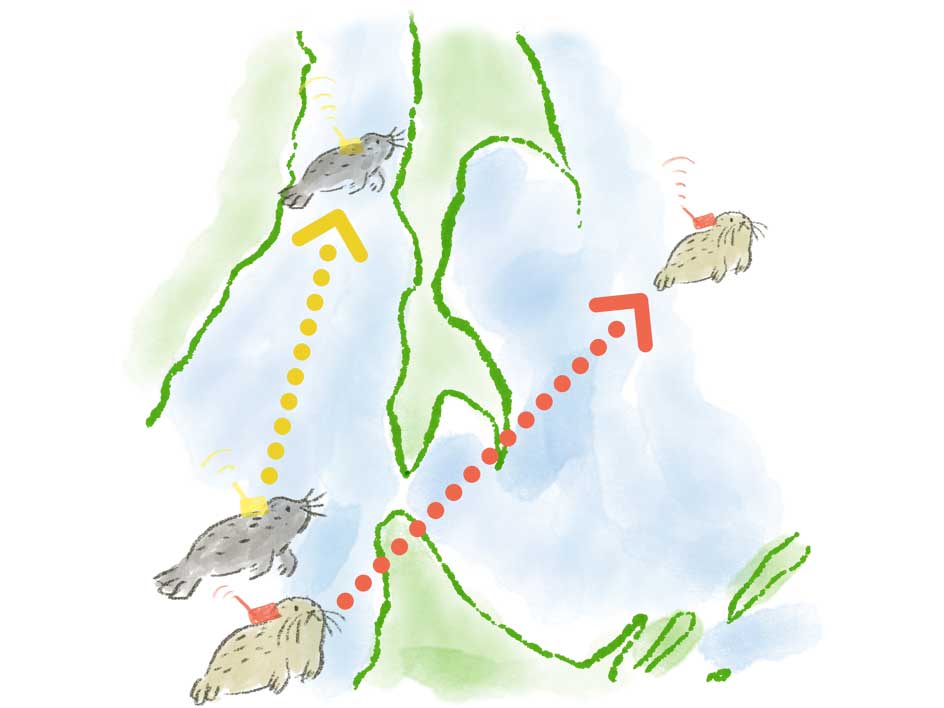
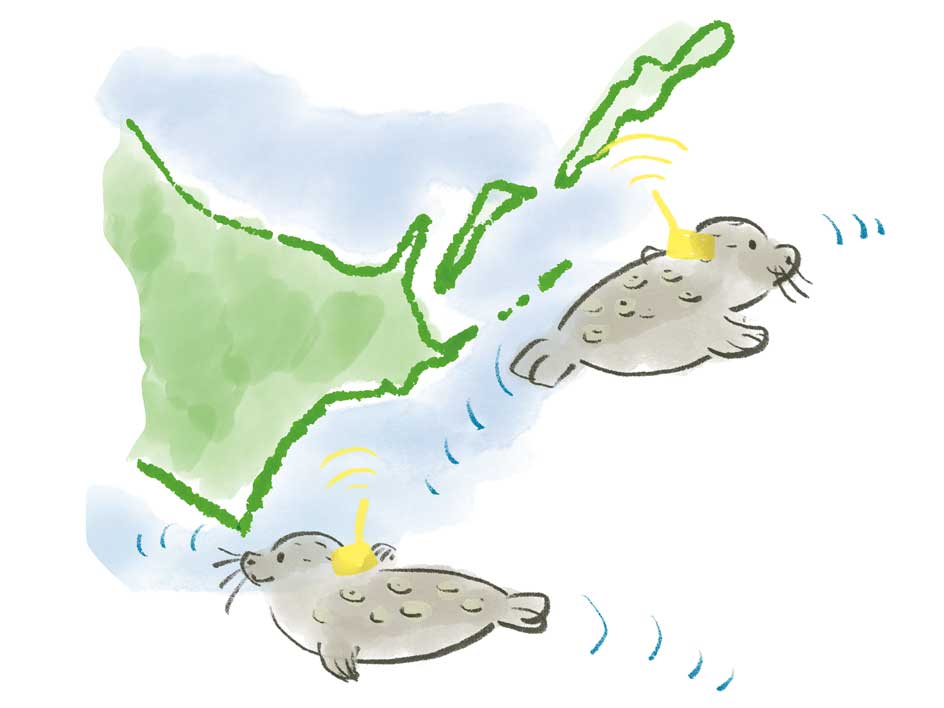
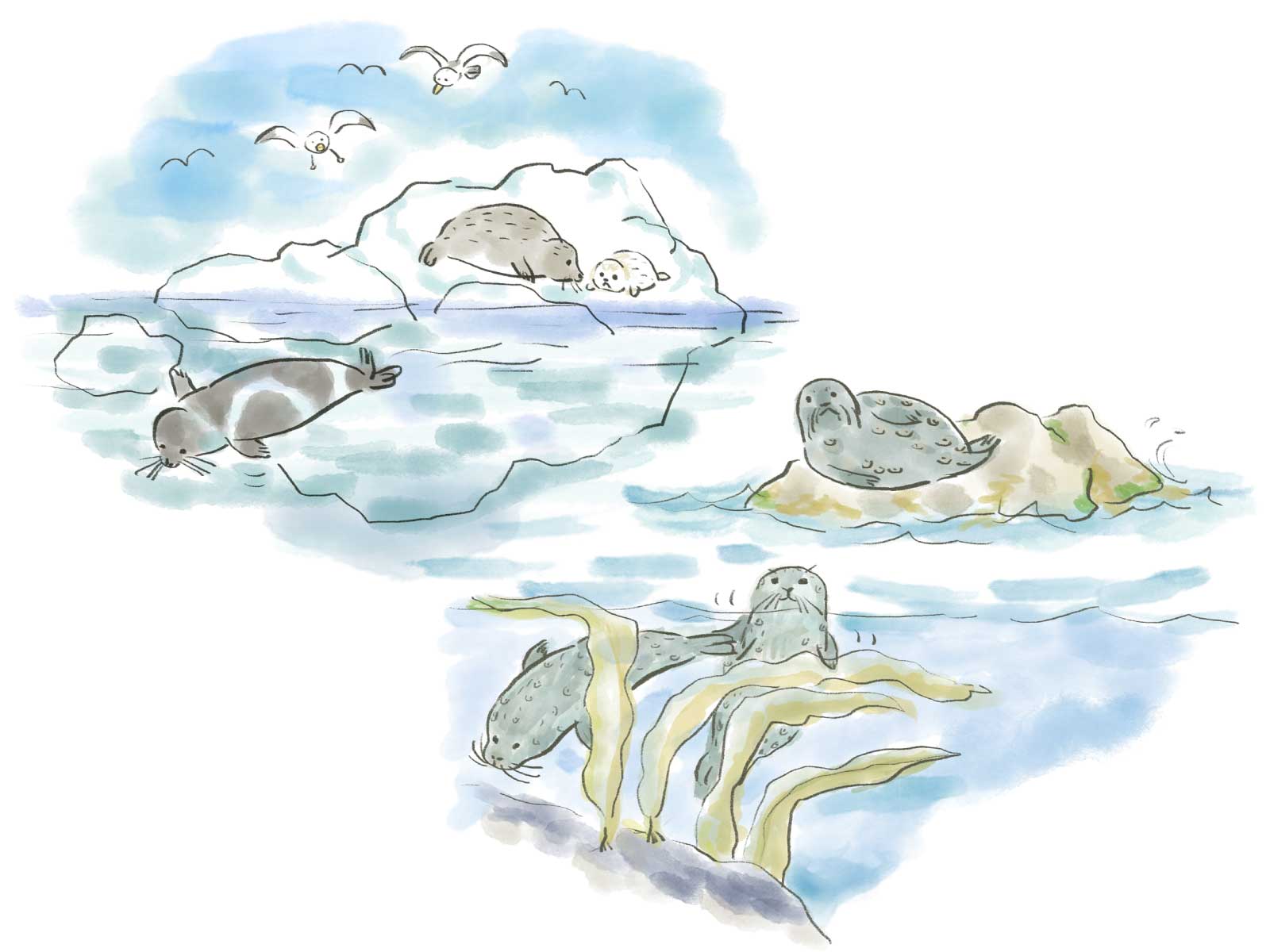
Seals in the Okhotsk Sea depend on drift ice, using it as a place to breed and to rest. They are especially vulnerable to the decline in drift ice in recent years and the impacts of global warming. Changes in the drift-ice environment have a major effect on seals’ habitats.

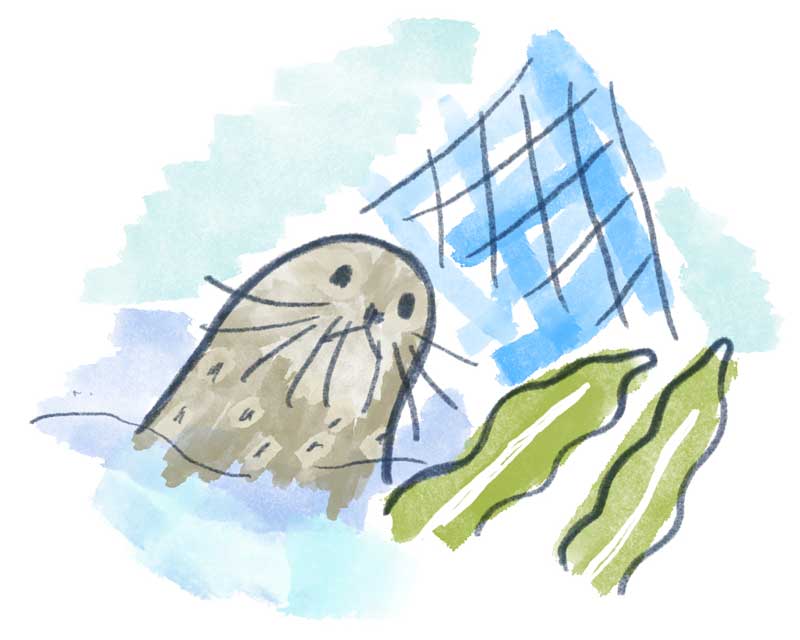
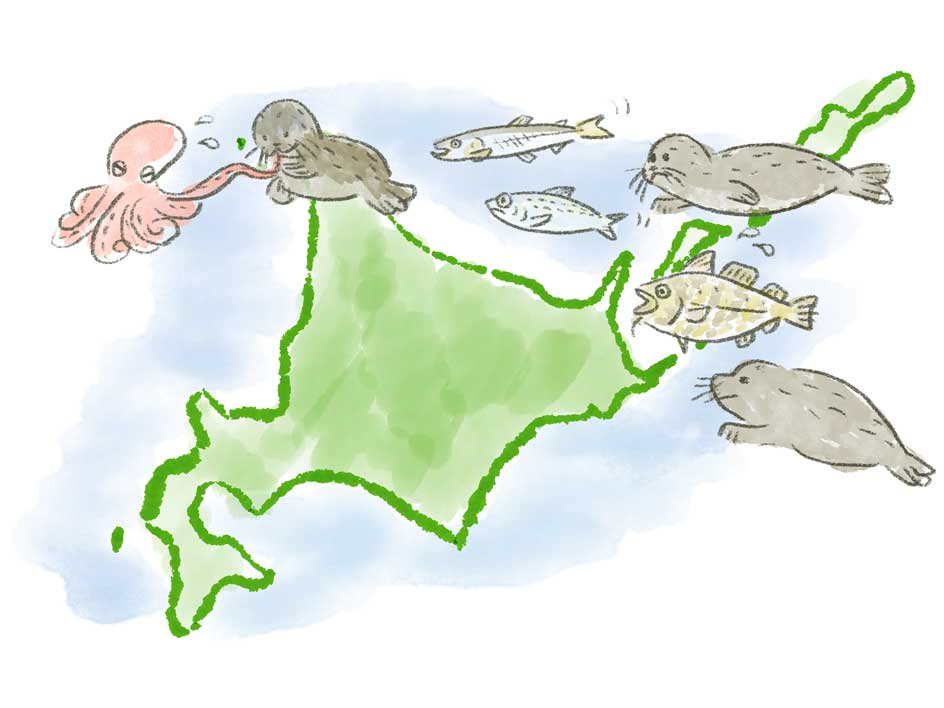
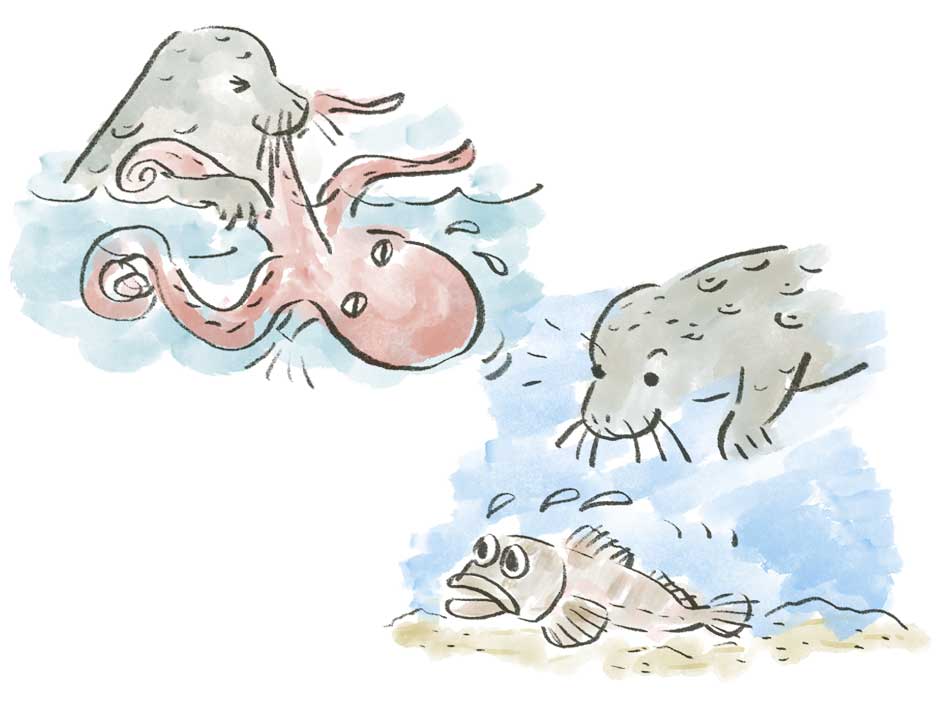
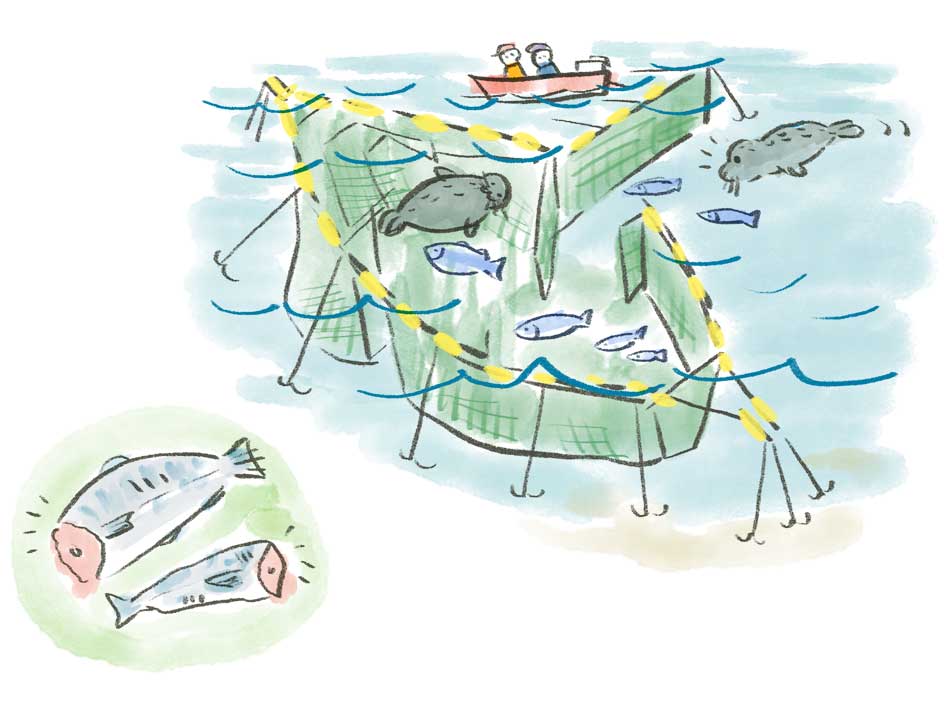
At the same time, Hokkaido’s coastal areas are regions where fisheries—the foundation of local industry—are highly active. Coastal seals are generalist feeders, and because they are not particularly good at efficiently selecting prey, passive fishing gear such as set nets can become places where food is easily obtained. As a result, damage to catches can occur, friction arises with coastal fisheries, and in the field seals may sometimes be treated as “pests.”

Behind these issues lies a complex interplay between changes in the natural environment and human activities. An accurate understanding of this challenge is the first step toward thinking about a future in which seals and humans can live together.

Learn The Many Sides of Seals

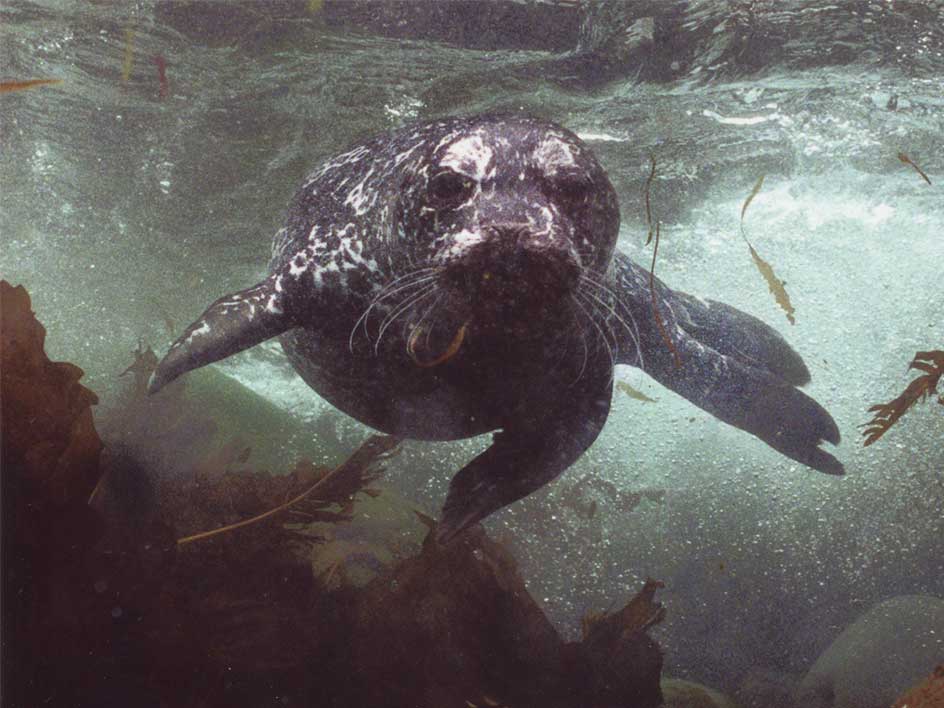
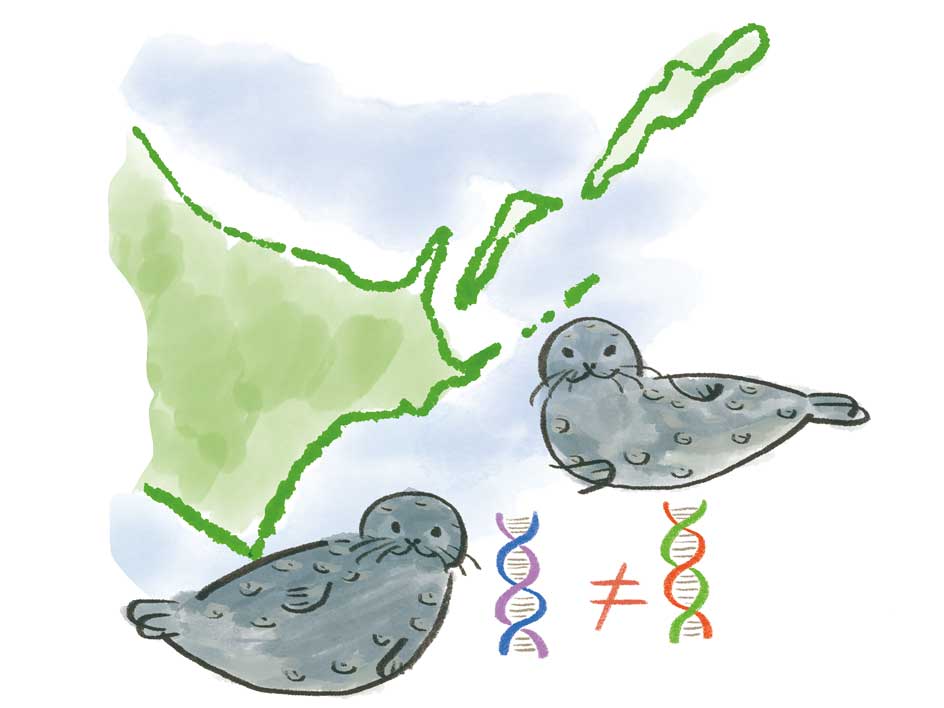
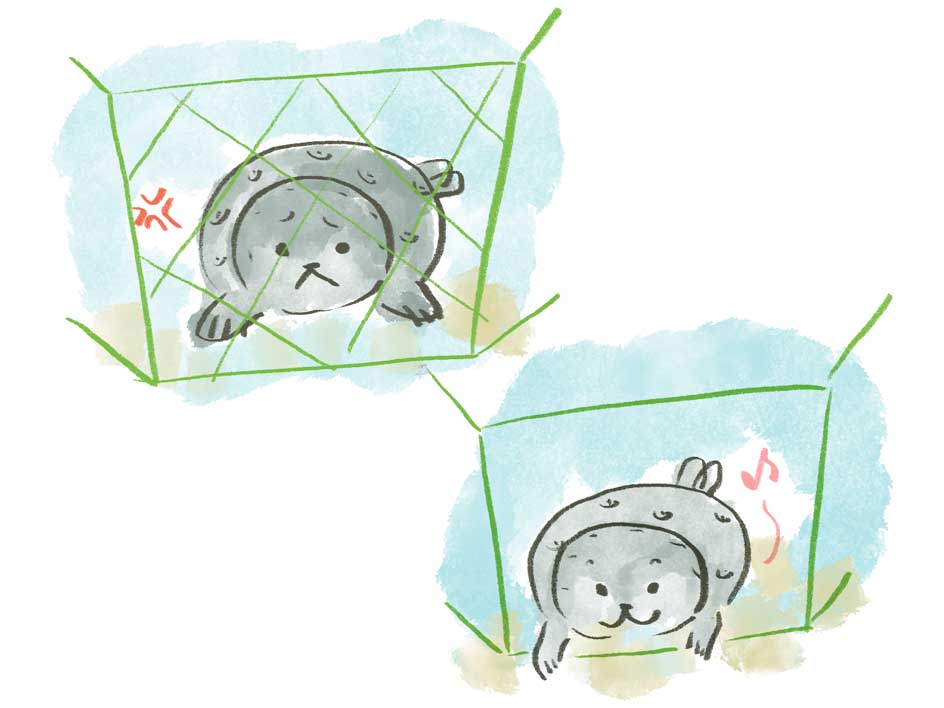
In aquariums, seals are loved for their endearing appearance and are popular with many people. On the other hand, in coastal fisheries they may be regarded as “pests” because they eat catch and damage fishing gear. However, seals are fundamentally wild animals that play important roles as part of coastal ecosystems, and they can also serve as organisms through which changes in the marine environment can be monitored.

Share Seals Nurture Coastal Ecosystems

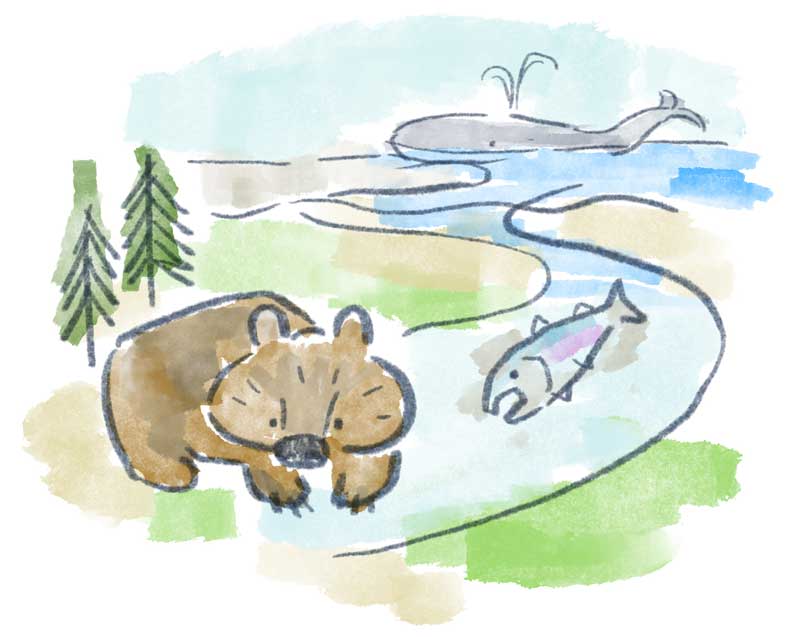
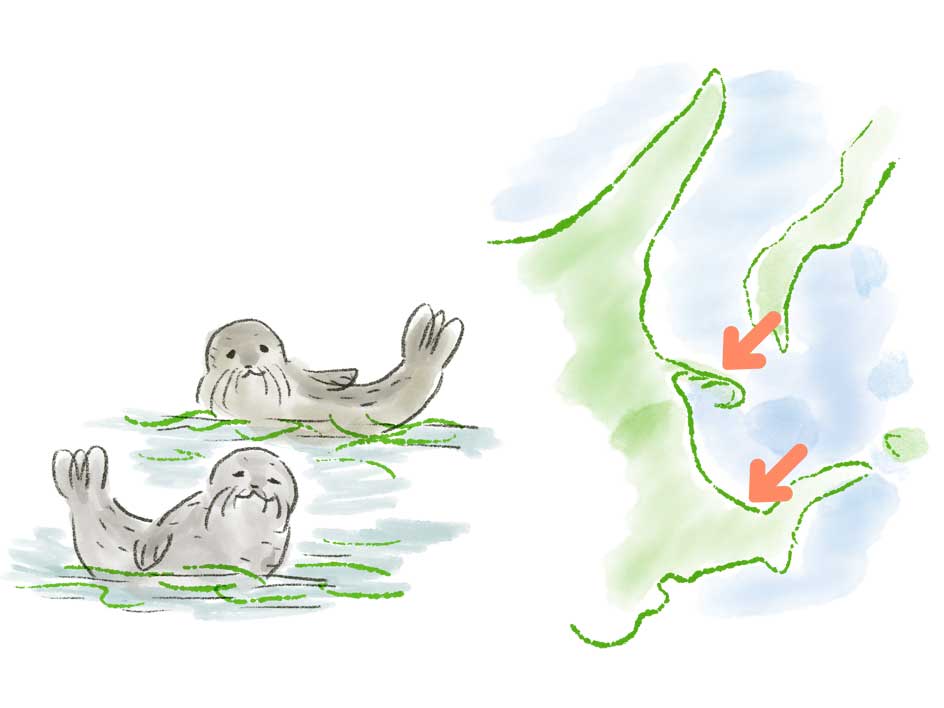
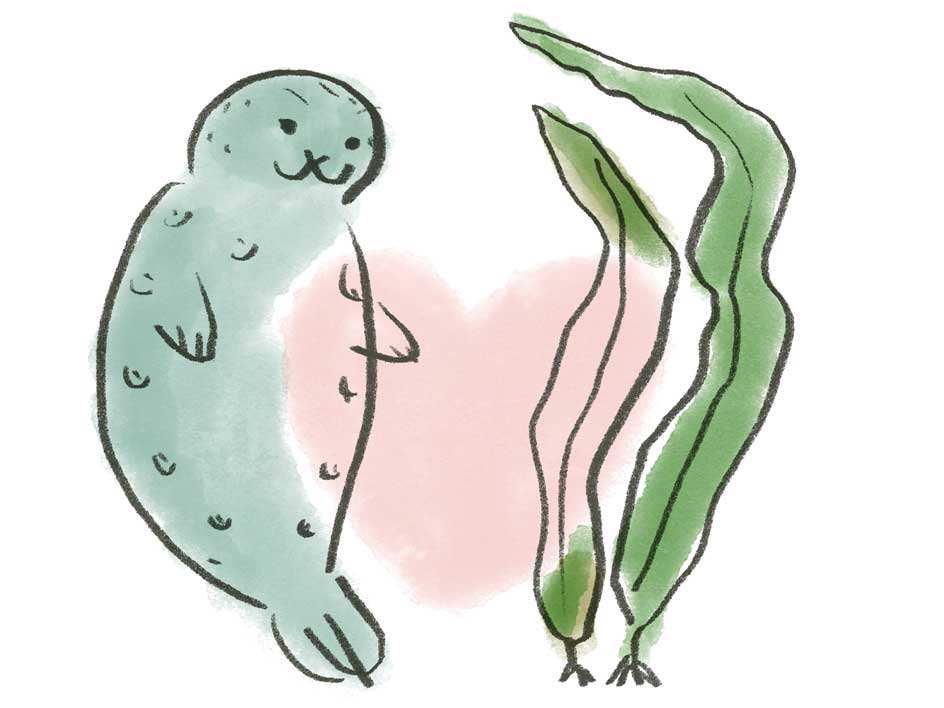
As top-level consumers in coastal food webs, seals can cause fishery damage, yet they also fulfill important roles that support coastal ecosystems. We have shown that nutrients supplied by seals promote the growth of seaweeds such as kelp. Where kelp thrives, juvenile fish increase, and the ecosystem as a whole becomes more biodiverse. Our research has revealed that, through such cycles, the presence of seals helps nurture coastal ecosystems.

Our Publications in Japanese only

  • パンフレット「北海道の海獣類を紹介します!」
    (A5p29カラー)
  • 「北海道の海生哺乳類管理」
    (A5p220一部カラー)

Act Ecosystem Management

With an accurate understanding of the multifaceted nature of seals, we think about better ways for seals and people to coexist. Looking not only at fishery damage but also at the roles seals play within ecosystems fosters a perspective aimed at harmony rather than conflict. This concept can be proposed as a new policy framework for overall coexistence between wildlife and humans—not limited to seals alone.